Conservative TMJ/TMD Treatment

TMJ/TMD treatment focuses on concerns involving the jaw joints, surrounding muscles, and bite function. When these areas become irritated or strained, patients may experience discomfort that affects speaking, chewing, or daily comfort.

At Cohen & Cohen Dental Group, a conservative approach is used to evaluate jaw-related symptoms and recommend appropriate care based on the underlying cause. Treatment is personalized and designed to support comfort while helping reduce unnecessary stress on the jaw system.

What Is TMJ/TMD?

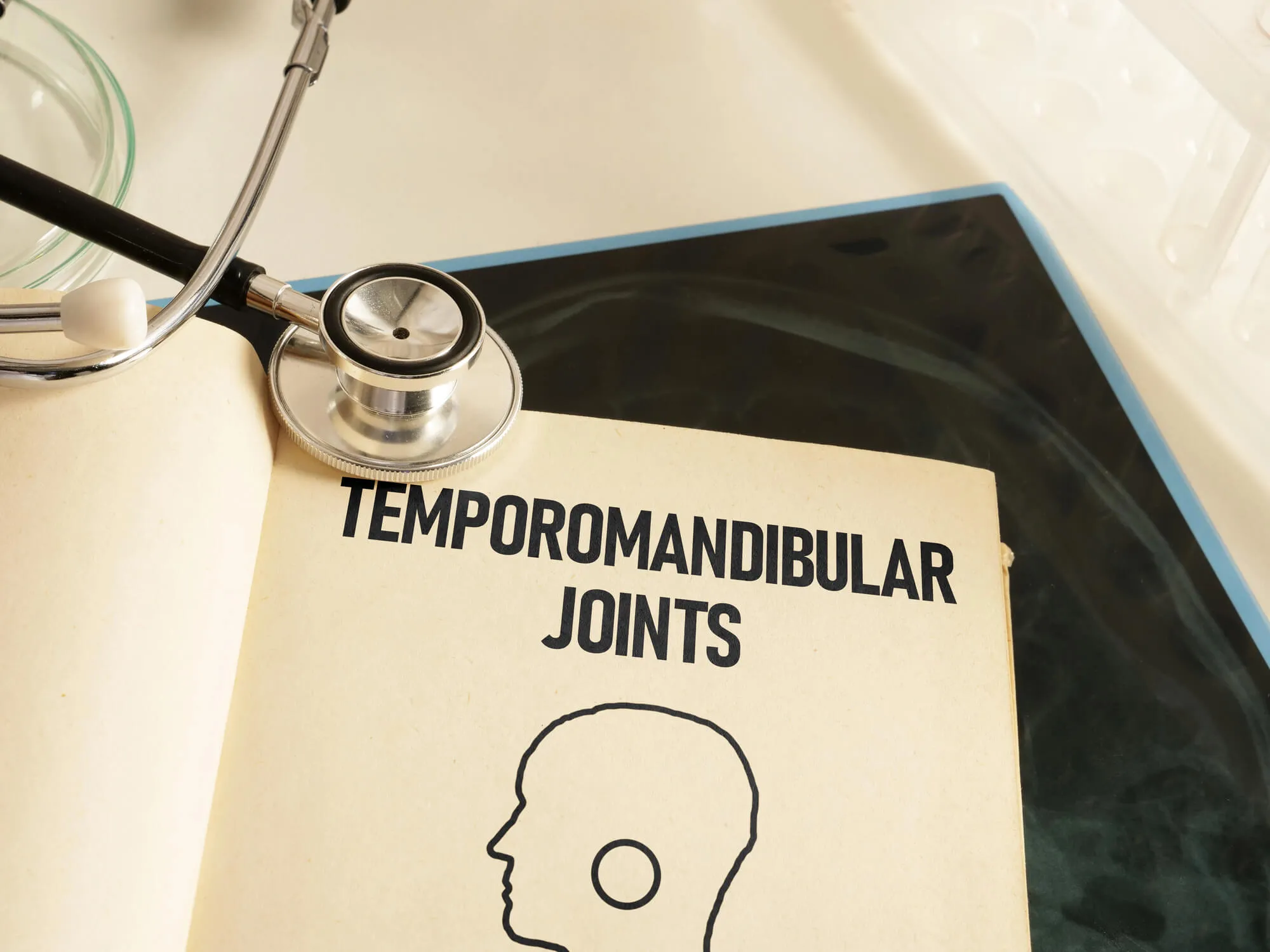
TMJ refers to the temporomandibular joints, which connect the lower jaw to the skull and allow movement for speaking, chewing, and opening the mouth.

TMD refers to temporomandibular disorders, a term for conditions affecting the joints, muscles, or bite function that may cause pain, tension, or limited movement.

What Symptoms May Be Related to TMJ/TMD?

Jaw concerns can present in different ways. Common symptoms may include:

  • Jaw soreness or tenderness
  • Clicking or popping sounds
  • Difficulty opening comfortably
  • Headaches or facial tension
  • Ear-area discomfort
  • Clenching or grinding habits
  • Bite changes or uneven pressure
  • Neck or muscle tightness

A thorough evaluation helps determine whether symptoms may be related to the jaw joints or surrounding muscles.

What Does Conservative Treatment Mean?

Conservative treatment focuses on non-surgical, practical approaches intended to reduce strain and improve comfort. Care is based on your symptoms, bite relationship, and contributing habits.

Recommendations may include:

  • Guidance for clenching or grinding habits
  • Monitoring jaw movement and symptoms
  • Home comfort strategies
  • Referral when advanced care is needed

This approach begins with the least invasive options appropriate for your needs.

How Is TMJ/TMD Evaluated?

Evaluation may include reviewing symptoms, examining jaw movement, checking the bite, and assessing muscles around the face and jaw. Digital imaging may be recommended when additional information is helpful.

Because jaw discomfort can have multiple causes, careful diagnosis is an important first step before making treatment recommendations.

When Should You Schedule an Evaluation?

Patients may benefit from an evaluation if jaw discomfort is persistent or worsening, or if it affects everyday activities such as eating or speaking.

It may also be helpful to schedule a visit if you notice:

  • Frequent jaw tension
  • Ongoing headaches with clenching habits
  • Limited opening or locking sensations
  • Teeth grinding during sleep
  • Unexplained bite discomfort

Early attention can help guide more appropriate care.

“This is placeholder text intended to help visualize the layout and design of the website. Final content will be added later. Focus on the structure, typography, and overall user experience for now.”

TMJ/TMD Treatment in Washington, DC

Jaw discomfort can affect daily quality of life, but personalized evaluation and conservative care may help improve comfort and function over time.

Contact Cohen & Cohen Dental Group to schedule an appointment and learn more about conservative TMJ/TMD treatment in Washington, DC.

BOOK CALL US