

Dental Filling vs. Crown: Which Treatment Is Right for a Damaged Tooth?
September 2, 2026
When a tooth has decay, a crack, or other damage, treatment depends largely on how much healthy tooth structure remains. For anyone searching for a Dentist near World Bank, DC, understanding the difference between a filling and a crown can make treatment discussions easier.
Restorative dentistry can address damaged teeth, with treatment selected based on each tooth's condition.
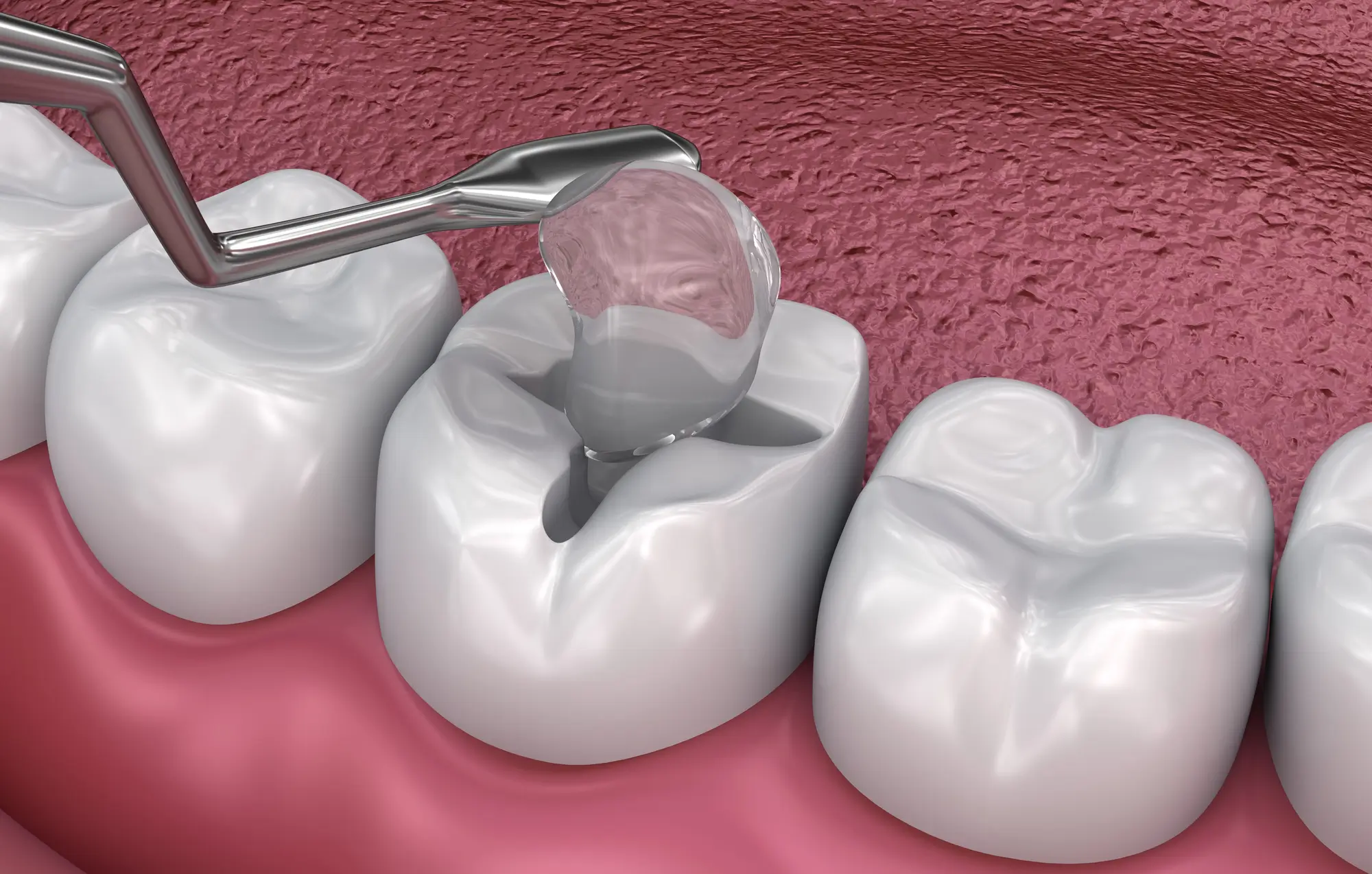
How Do Fillings and Crowns Differ?
What is a Dental Filling?
A filling repairs a specific area of a tooth after decay or minor damage has been removed. Cleveland Clinic notes that fillings can restore teeth affected by cavities and certain minor chips or cracks. Tooth-colored fillings can also restore the tooth while maintaining a natural appearance. Cleveland Clinic guidance on dental fillings
What is a Dental Crown?
A crown covers the visible portion of a damaged or weakened tooth, providing more extensive coverage than a filling. Crowns may be recommended when significant tooth structure has been lost or when a tooth needs additional protection. ADA information about dental crowns
Crown and bridge restorations may therefore be considered when a filling cannot provide adequate support.
When Fillings Are More Appropriate
Not Enough Tooth Structure Remains
A filling may be suitable when the damaged area is relatively limited and enough healthy tooth structure remains to support the restoration. The size and location of the cavity can also influence the treatment decision.
Early detection can help identify decay before more extensive damage develops. Caries detection tools can assist with evaluating suspicious areas during preventive care.
You’re Experiencing Symptoms That Indicate Damage
Tooth sensitivity, discomfort, or visible damage may indicate the need for an evaluation. However, symptoms alone cannot determine which restoration is appropriate. Diagnostic imaging may provide additional information about areas that are difficult to assess visually.
Digital radiography can be used as part of a broader examination when imaging is clinically appropriate.
When Might a Crown Be Recommended?
Extensive Damage That Requires More Protection
A crown may be considered when decay, cracks, or previous dental work have substantially weakened a tooth. The restoration covers more of the tooth than a filling, which can be useful when greater structural support is needed.
Is a Crown Always Better Than a Filling?
No. The appropriate restoration depends on the individual tooth, including its remaining structure, location, function, and extent of damage.
The goal is to restore function while preserving healthy tooth structure whenever possible. A dental examination is necessary to determine which treatment best fits the specific situation.
Frequently Asked Questions About Fillings and Crowns
Can a filling eventually need a crown?
A tooth restored with a filling can develop additional decay or structural damage over time. If the tooth becomes significantly weakened, a crown may be considered later.
How is the right treatment selected?
A dental professional evaluates the tooth's condition, the amount of remaining structure, and the extent of any decay or cracks. Diagnostic findings and symptoms can also help guide the recommendation.

Looking for a Dentist near World Bank, DC? Schedule an Appointment Today!
Cohen & Cohen Dental Group offers preventive and restorative dental care in Washington, DC. Our doctors can evaluate damaged teeth and discuss appropriate treatment options. Contact us today!